

As a provider of bluestone sidewalk slabs, I often get asked whether these slabs can be used in combination with other materials in a walkway. The short answer is yes, and in fact, integrating bluestone sidewalk slabs with other materials can create a unique and visually appealing walkway. In this blog post, I'll explore the possibilities and considerations when using bluestone slabs alongside other materials.
Complementary Materials for Bluestone Sidewalk Slabs
Gravel
Gravel is a classic companion for bluestone slabs. It can be used to fill the gaps between the slabs, creating a rustic and natural look. The contrast between the smooth, flat surface of the bluestone and the loose, textured gravel adds visual interest. Gravel comes in various colors, such as white, brown, and black, allowing you to choose a shade that complements the bluestone. For example, a light - colored gravel can enhance the cool blue - gray tones of the bluestone, while a darker gravel can create a more dramatic effect.
One of the advantages of using gravel with bluestone is its permeability. It allows water to drain through easily, reducing the risk of water pooling on the walkway. This is especially important in areas with heavy rainfall. Additionally, gravel is relatively inexpensive and easy to install, making it a practical choice for many projects.
Brick
Brick is another material that pairs well with bluestone. Bricks come in a variety of colors, shapes, and sizes, which gives you a lot of flexibility in designing your walkway. You can use bricks to create borders around the bluestone slabs, or you can alternate bricks and bluestone in a pattern. For instance, a herringbone pattern with bluestone and brick can add a touch of elegance to your walkway.
Brick is durable and can withstand heavy foot traffic. It also has a timeless appeal that can enhance the overall aesthetic of your property. When using brick with bluestone, it's important to ensure that the bricks are properly laid and leveled to create a smooth walking surface.
Concrete
Concrete can be used in combination with bluestone in several ways. You can pour a concrete base for the bluestone slabs, providing a stable and level surface. This is particularly useful if your soil is uneven or unstable. Concrete can also be used to create decorative elements, such as edging or steps, around the bluestone walkway.
One of the benefits of using concrete is its strength and durability. It can support heavy loads and is resistant to wear and tear. However, it's important to choose a concrete finish that complements the bluestone. For example, a textured concrete finish can add a similar visual texture to the smooth bluestone, creating a cohesive look.
Design Considerations
Color Harmony
When combining bluestone with other materials, color harmony is crucial. The colors of the materials should complement each other to create a unified and aesthetically pleasing walkway. For example, if you're using a light - colored bluestone, you might want to pair it with a light - colored gravel or brick. On the other hand, if you have a dark - colored bluestone, a darker gravel or a red - toned brick could create an interesting contrast.
Texture and Pattern
Texture and pattern play an important role in the design of a walkway. The combination of different textures, such as the smoothness of bluestone and the roughness of gravel or brick, can add visual depth. Patterns, such as alternating slabs and bricks or creating a border with a specific pattern, can also enhance the overall look of the walkway.
Functionality
Functionality is also an important consideration. The walkway should be safe and easy to walk on. Make sure that the combination of materials doesn't create tripping hazards. For example, if you're using gravel, ensure that it's compacted enough to prevent it from shifting underfoot.
Benefits of Combining Bluestone with Other Materials
Cost - Effectiveness
Using a combination of bluestone and other materials can be more cost - effective than using only bluestone. For example, you can use bluestone for the main walking area and a less expensive material, like gravel or concrete, for the edges or fill areas. This allows you to achieve the look of a bluestone walkway at a lower cost.
Customization
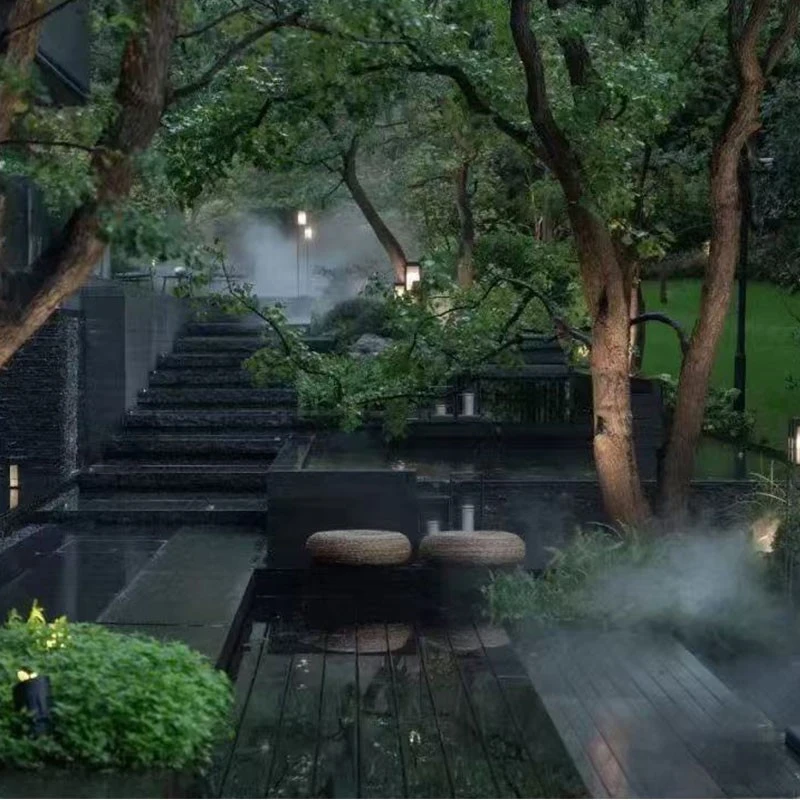
Combining materials gives you more options for customization. You can create a unique walkway that reflects your personal style and the architecture of your property. Whether you prefer a modern, minimalist look or a more traditional, rustic design, the combination of bluestone and other materials can help you achieve your desired aesthetic.

Durability
Each material has its own strengths. By combining bluestone with other durable materials, you can create a walkway that is more resistant to wear and tear. For example, the strength of concrete can provide a stable base for the bluestone, while the permeability of gravel can help with drainage, reducing the risk of damage to the bluestone.
Examples of Bluestone and Other Material Combinations
Bluestone and Gravel Walkway
A walkway with bluestone slabs and gravel fill is a popular choice. The bluestone provides a solid walking surface, while the gravel adds a natural and rustic touch. You can create a simple, straight - line walkway or a more meandering path. This type of walkway is suitable for both residential and commercial properties. You can learn more about Bluestone Slab Walkway on our website.
Bluestone and Brick Border
Using brick to create a border around a bluestone walkway can add a touch of elegance. The brick can be laid in a variety of patterns, such as a basketweave or a running bond. This combination is often seen in traditional and colonial - style homes. For more inspiration on bluestone and brick combinations, check out our Blue Stone Patio Slabs page.
Bluestone and Concrete Steps
If your walkway has steps, combining bluestone and concrete can be a great option. The concrete can provide the structural support, while the bluestone can be used for the treads and risers, giving the steps a more luxurious look. You can find more information about Blue Stone Slabs For Steps on our website.
Conclusion
In conclusion, bluestone sidewalk slabs can definitely be used with other materials in a walkway. The combination of bluestone with materials like gravel, brick, and concrete offers numerous benefits, including cost - effectiveness, customization, and enhanced durability. By considering color harmony, texture, pattern, and functionality, you can create a beautiful and unique walkway that adds value to your property.
If you're interested in purchasing bluestone sidewalk slabs or exploring the possibilities of combining them with other materials for your walkway project, I encourage you to get in touch. Our team of experts can provide you with detailed information, advice on design, and assistance with your purchase. Let's work together to create the perfect walkway for your needs.
References
- "Landscape Design Basics" by John R. Clark
- "The Complete Guide to Hardscaping" by Popular Mechanics


